

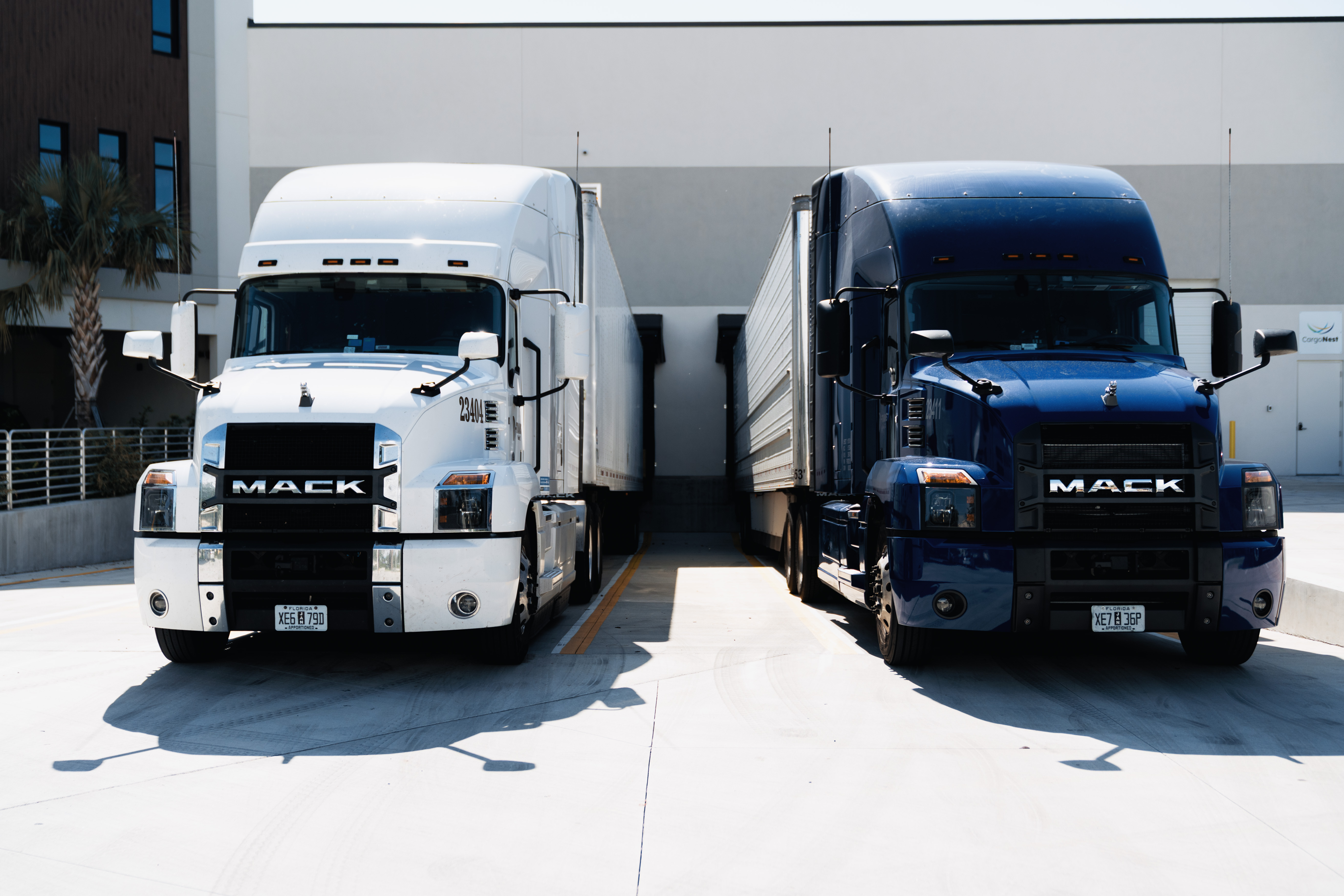
A High-Stakes Industry
Every day, millions of tons of goods move across highways in the United States. According to the American Trucking Associations, trucks carry the majority of the nation’s freight, making safety not just a company issue—but a national concern.
With increasing demand for faster deliveries and tighter supply chains, logistics providers are under pressure to balance speed with safety. The result is a growing investment in technology, training, and stricter compliance standards.
Safety Starts Behind the Wheel
At the heart of the industry, there are professional drivers. Companies are placing greater emphasis on:
- Defensive driving training
- Fatigue management and regulated driving hours
- Routine health and wellness checks
Federal oversight from agencies like the Federal Motor Carrier Safety Administration ensures that drivers follow hours-of-service rules designed to reduce fatigue-related accidents.
“Driver safety is the backbone of the entire supply chain,” industry experts often note, pointing out that even the most advanced equipment cannot replace responsible decision-making on the road
Technology Changing the Game
Modern trucking fleets are increasingly equipped with advanced safety systems, including:
- GPS tracking and real-time monitoring
- Collision avoidance and lane departure warnings
- Panic buttons
These tools allow companies to track driver behavior, optimize routes, and respond quickly to emergencies. For firms handling high-value or sensitive cargo, such as D-Trans, real-time visibility also helps prevent theft and ensure secure delivery.
Protecting Valuable and Sensitive Cargo
Safety in logistics goes beyond preventing accidents, it also includes protecting the integrity of the freight itself. This is especially critical for industries like pharmaceuticals and electronics.
Companies are adopting strict standards such as:
- QMS (Quality Management Systems)
- Secure handling protocols
- Compliance with global safety frameworks like Transported Asset Protection Association
These measures ensure that products arrive not only on time, but in safe and usable conditions
Equipment and Maintenance Matter
Behind every safe trip is a well-maintained vehicle. Regular inspections, preventative maintenance, and fleet upgrades are now standard practice across the industry.
Brake systems, tires, refrigeration units, and trailer integrity are all closely monitored. Mechanical failure, once a leading cause of road incidents, has been significantly reduced thanks to stricter maintenance routines.
A Culture Shift Toward Safety
Perhaps the most notable change in recent years is the shift in workplace culture. Safety is no longer treated as a checklist item—it is becoming a core value.
Companies are encouraging:
- Open reporting of safety concerns
- Continuous training and certification
- Accountability at every level of the organization
Looking Ahead
As supply chains grow more complex, the trucking and logistics industry faces new challenges—from cybersecurity risks to increased traffic congestion. However, commitment to safety continues to evolve alongside these challenges.
For companies across the sector, the message is clear: efficiency may drive business, but safety sustains it.
